Make a donation
Seixal topographic map
Click on the map to display elevation.
Make a donation
Seixal
Although the municipal population continued to grow with development, after the 1970s there was a boom in the population, due to improvements in accessibility and mobility, principally due to public transport, its location to Lisbon and installation of economic activities within the territory. This growth transformed, in a short time, from a territory predominantly rural into an urban municipality, consisting of agglomerations of large dimensions focusing on various establishments and social centres. This growth resulted in the 1993 elevation of Seixal and Amora into cities, and the establishment of Corroios into the status of town.
Make a donation
About this map
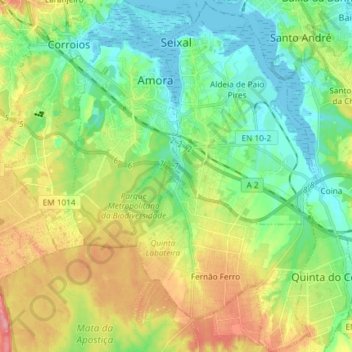
Name: Seixal topographic map, elevation, terrain.
Location: Seixal, Setúbal, Portugal (38.54068 -9.17835 38.65588 -9.04776)
Average elevation: 38 m
Minimum elevation: -3 m
Maximum elevation: 105 m
Make a donation
Other topographic maps
Click on a map to view its topography, its elevation and its terrain.



Make a donation

Make a donation

Make a donation


Make a donation

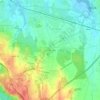
Charneca de Caparica
Portugal > Setúbal > Charneca de Caparica e Sobreda > Charneca de Caparica
Average elevation: 40 m
Make a donation